CONTEXT / AUDIENCE / PURPOSE
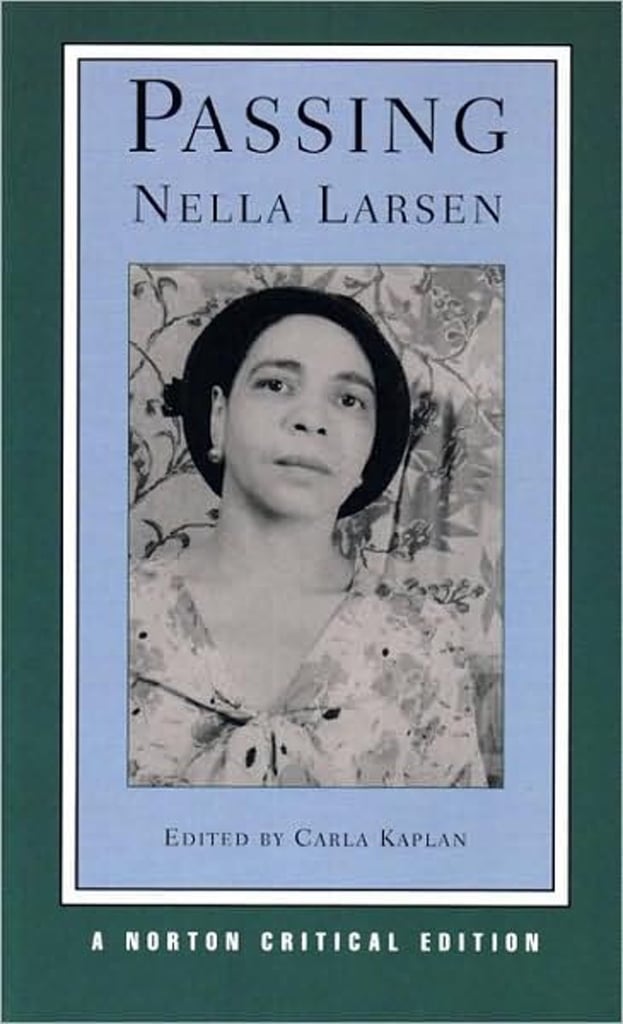
The novel 'Passing' by Nella Larson, published in 1929, is a story of the experiences that a woman - Irene Redfield - goes through while passing as a different race. This story is mostly directed towards young adults/adults, especially those of colour as they are able to understand the true meaning of the story and the importance of the topic of racial identity.
Irene is a black woman living in New York in the 1920's - a time when racial segregation was extremely prevalent in the society - who 'passes' as a white woman when leaving her black community, which is possible due to her lighter skin. She, however, is different to her childhood acquaintance Clare Kendry, whom has transitioned into passing full-time; Clare even has a white husband who is unaware of her true race. The contrast between their lives and the different degrees of passing are explored throughout the book.
CHARACTERS
The main characters consist of Irene and Clare, and both of their husbands (especially Clare's John Bellew). Irene also has two sons which are briefly mentioned in the book.
Irene's character can be described as worrisome, with a slight obsession with the idea of being perfect in each role she plays (the perfect mother, woman, friend). She's often caught up on small things that don't hold as much value as she gives them. In the beginning of the book, she is quite put together but seems to fall apart as the book progresses. She's always one to complain but when bad things keep happening in succession, she seems to complain constantly throughout the latter of the book.
Clare, on the other hand, is a seemingly carefree woman who often has an underlying condescending attitude to other black people. She is often insensitive to others and this is possibly because of her constant need to hide her actual identity. This idea of her insecurity is explored gradually, right up until her husband eventually discovers her secret. As stated in the book, Clare is constantly 'on the edge of danger', it's as if she's stuck between two worlds of being white and black but can't have both to their full extent.
Both characters are tested in the book, until the final event pushes them both over the edge. In a way, Clare's interior is identified, whereas Irene's is not completely disclosed and is up for debate by the reader.
SETTING
The setting conflicts throughout the book, changing from an upper class, 'white' couple, to an upper class black family, then even to a poor black community. It, again, shows the range of danger that black people lived with during the early 20th century.
PERSPECTIVE / POV
The novel is written mostly from Irene's perspective and in first person. There are, however, sections of the book which cater towards Clare and her husbands opinions and point of view.
REPRESENTATION / THEMES / IDEAS
Some themes that are represented in the text are: motherhood, racial identity, beauty standards, and sex/sexuality/jealousy. The overarching theme is of racial identity as that is the entire premise of the book. Beauty standards are often shown through Irene's obsessive personality and how she often compares herself to others, or cares a large amount about her beauty. Irene's sexuality is often questioned throughout the book, she often focuses on women in relationships and the possibility of her attraction to Clare is also showcased.
Ideas such as: the obsession with being the perfect mother, the idea of disguising true racial identity for one's benefit and the idea of a constant comparison between oneself and others in terms of beauty; are all explored throughout the book.
The representation of women is, throughout the whole book, depicted as in any other early 20th century book in which women are treated as very delicate and not given the same amount of respect as men.
MY OPINION
This book gives an informative insight into the life of different variations of how life was for black people in 1920s North America and it's important for people to develop a full understanding of this. I would recommend this book because it educates people on things that they probably haven't heard of prior to reading it.


No comments:
Post a Comment